
Elusive Mammal Joins An Exclusive Club
- Federal Protection: The North American wolverine is now listed as a threatened species under the Endangered Species Act.
- Interim 4(d) Rule: A special rule is issued to address the wolverine’s conservation needs while allowing certain necessary activities.
- Driven by Climate Change: The listing is a response to the impacts of climate change and habitat fragmentation.
- Public Involvement: The U.S. Fish and Wildlife Service seeks public comments on this new ruling until January 29, 2024.
Understanding the Wolverine’s New Federal Protection
The U.S. Fish and Wildlife Service made a big announcement this week in: the North American wolverine in the contiguous United States is now a federally protected species under the Endangered Species Act. This move follows years of scientific studies and legal deliberations. Hugh Morrison, the Pacific Regional Director, highlighted the crucial role of climate change and habitat loss in this decision. Learn more about the importance of wildlife conservation.
The Path to Protection
This protective status did not happen overnight. Back in 2013, the Feds first proposed listing the wolverine as threatened. However, in 2020, it concluded that listing was not necessary. Then, a 2022 court ruling overturned that decision, leading us to the current protective status. The journey of the North American wolverine shows how complex and challenging it can be for wildlife management.
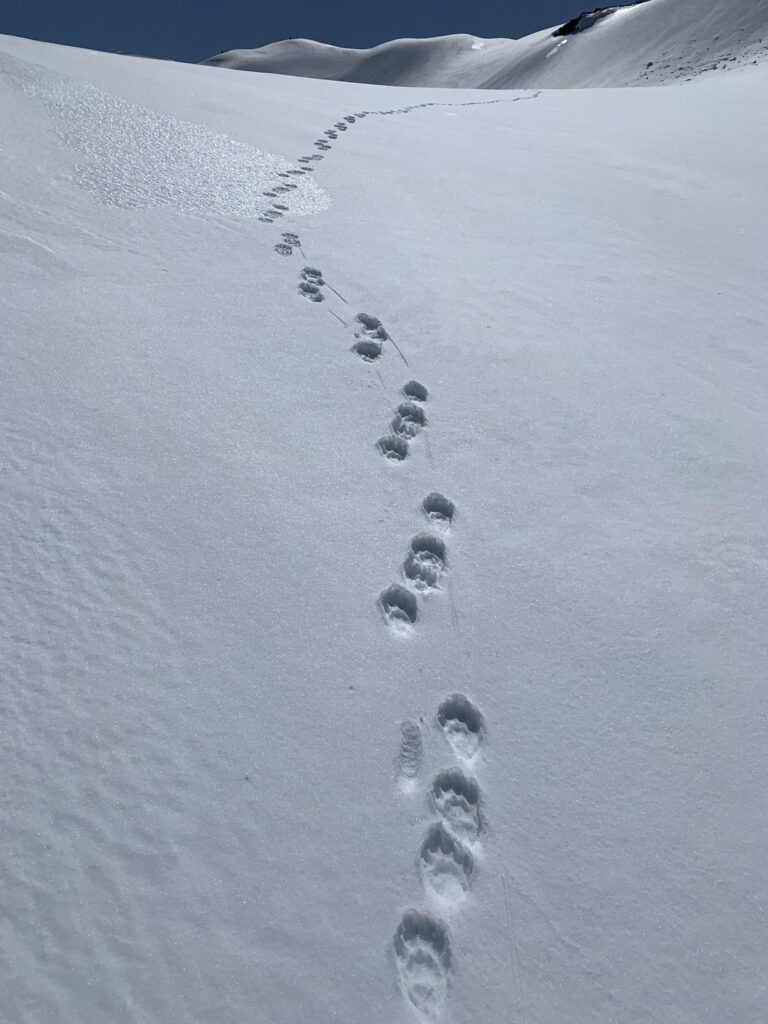
Conclusion: A Step Forward in Wildlife Preservation
The federal protection of the North American wolverine marks a significant decision in wildlife conservation. Proponents say It’s a step towards ensuring the survival of this species and a testament to the ongoing efforts to combat climate change and preserve natural habitats. As the public comment period opens, it’s a chance for everyone to to express their views. Stay informed and engaged in wildlife conservation at www.fws.gov.
